
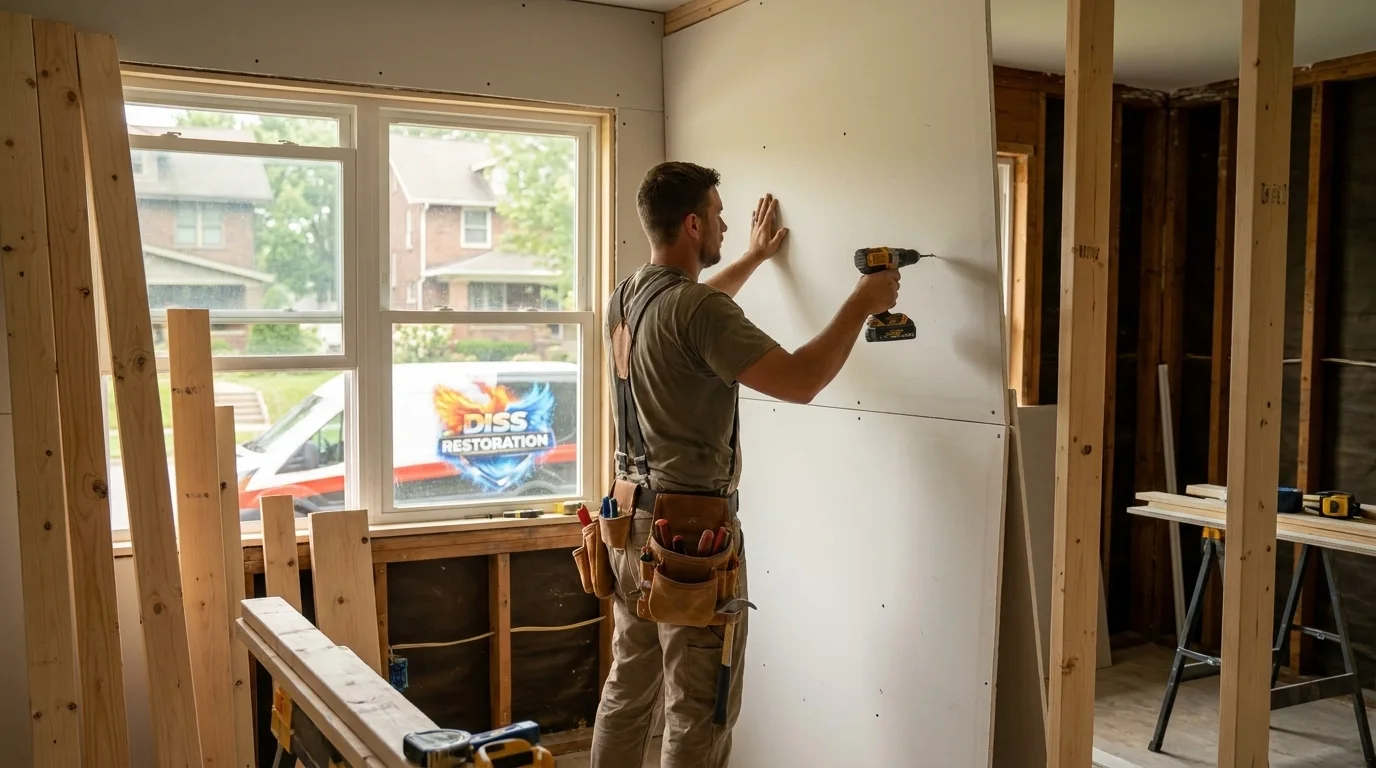
Renovations, Remodels and General Contracting in Youngstown
24/7 renovations, remodels and general contracting in Youngstown and surrounding areas. IICRC-certified, insurance billing accepted. Call (724) 981-1441.
After a flood, a fire, or years of deferred maintenance, the hardest question isn’t what broke, it’s what comes next. Restoration stops the bleeding; renovation is how a house becomes livable again. Whether you’re rebuilding a kitchen gutted by smoke damage, updating a bathroom that hasn’t been touched since the 1970s, or finishing a basement that a burst pipe turned into a demo site, the work demands a contractor who can read a scope of loss, pull permits, and deliver finished results, not just patch drywall and move on.
What Renovations, Remodels and General Contracting Actually Involves
General contracting on a post-damage or planned renovation project is a coordination problem as much as a construction one. Subcontractors, plumbers, electricians, tile setters, cabinet installers, drywall finishers, each have their own sequencing requirements. Framing can’t be closed until rough electrical and plumbing pass inspection. Tile can’t go down until the substrate is flat and cured. Cabinets can’t be set until the floor is in.
For post-damage rebuilds, the scope starts with what the remediation crew left behind: bare studs, open ceilings, concrete subfloor. For planned remodels, it starts with what the homeowner wants and what the existing structure can support. In Youngstown and the surrounding Mahoning Valley, that often means working with homes built between the 1920s and 1960s, plaster walls, knob-and-tube wiring in older sections, cast-iron drain stacks, and foundation types that range from poured concrete to stone rubble. Each of those conditions changes how a renovation gets planned and priced.
A kitchen remodel typically runs six to twelve weeks from permit to punch list, depending on scope. A bathroom remodel in a tight space with a wet wall relocation can take four to eight weeks. Post-damage rebuilds vary more widely because the scope depends on what the loss actually destroyed.
Our Process
-
Scope of Work and Design Consultation, Before any number is written down, the project gets documented: dimensions, existing conditions, what stays and what goes, material selections, and any code-driven upgrades the work will trigger. For insurance-related rebuilds, this scope aligns with the adjuster’s estimate so there are no gaps between what the carrier approved and what the finished project requires.
-
Permitting and Inspections, Structural changes, electrical work, plumbing relocations, and HVAC modifications require permits through the City of Youngstown Building Department or the relevant municipality. Pulling permits isn’t optional, it’s what protects the homeowner’s title and insurability. The permit timeline is built into the project schedule from day one.
-
Rough Work and Structural Phase, Framing, rough plumbing, rough electrical, and any HVAC rough-in happen before walls close. This phase is where hidden conditions surface: a load-bearing wall that wasn’t on the original plan, a drain line that runs the wrong direction, insulation that doesn’t meet current energy code. Catching these before drywall goes up is the difference between a clean project and a reopened wall.
-
Finish Work and Installations, Drywall, paint, flooring, tile, cabinetry, fixtures, trim, and final mechanical connections. Sequencing matters: flooring before base trim, tile before fixtures, cabinets before countertops. Rushing this phase is where most budget-contractor projects fall apart visually.
-
Final Inspections and Punch List, Every permitted trade gets a final inspection before the project closes. The punch list, the running log of small items that need correction before final payment, gets walked with the homeowner so nothing is left open.
What Separates a Good Renovation from a Bad One
The most common failure point in home remodeling isn’t materials or labor, it’s scope creep that wasn’t priced and hidden conditions that weren’t planned for. A contractor who opens a wall and finds mold, asbestos-containing drywall compound, or a drain line in the wrong place has two options: absorb the cost, or call the homeowner with a change order. The difference between those outcomes is how thoroughly the project was scoped before work started.
For post-damage rebuilds specifically, insurance adjusters look for line-item documentation: what was removed, what was replaced, what code upgrades were required by the scope of work. Vague invoices, “demo and rebuild bathroom, $8,000”, create disputes. Detailed scopes with material specifications and unit pricing close claims faster and with less friction.
EPA Lead-Safe certification matters on any pre-1978 home where painted surfaces are being disturbed. It’s not a recommendation, it’s a federal requirement, and a contractor who skips it is putting the homeowner’s family at risk and creating liability. DISS Restoration holds EPA Lead-Safe certification, which is documented before any renovation begins on older housing stock.
On the finish side, the most commonly missed items are waterproofing at wet areas (shower niches, tub surrounds, and floor-to-wall transitions), proper ventilation for bathrooms and kitchens, and blocking in walls for future grab bars or heavy fixtures. These are inexpensive to do during rough work and expensive to add after walls close.
What Does Renovations, Remodels and General Contracting Cost?
Typical costs run across a wide range depending on scope, material selections, and existing conditions. Most homeowners pay more than initial estimates suggest once hidden conditions are discovered, which is why a detailed written scope before work begins matters. DISS Restoration provides a written scope of work before any project starts, so the numbers are grounded in what the project actually requires.
| Scenario | Typical Industry Range |
|---|---|
| Bathroom remodel (cosmetic, no relocation) | $8,000 – $18,000 |
| Bathroom remodel (full gut, wet wall relocation) | $18,000 – $40,000 |
| Kitchen remodel (mid-range finishes, same footprint) | $25,000 – $60,000 |
| Post-damage room rebuild (single room, insured loss) | $12,000 – $35,000 |
| Basement finish (unfinished to livable) | $20,000 – $55,000 |
| Whole-home renovation (older housing stock) | $80,000 – $200,000+ |
Homeowners insurance typically covers post-damage reconstruction when the loss is a covered peril, fire, water from a sudden and accidental discharge, storm damage, but does not cover planned renovations or upgrades beyond the cost to restore to pre-loss condition. Code upgrade coverage (often called Ordinance or Law coverage) is a separate endorsement that pays for bringing the rebuild up to current code; not every policy includes it, so it’s worth confirming with your carrier before the scope is finalized.
Seasonal and Regional Considerations
In the Mahoning Valley, renovation scheduling has real seasonal constraints. Exterior work, siding, roofing, foundation waterproofing, has a shorter viable window given the region’s winters. Interior projects can run year-round, but heating a home under renovation during January in Youngstown adds cost and affects drywall cure times. Spring is when post-winter damage assessments typically surface: ice dam damage, freeze-thaw foundation cracks, and moisture intrusion that went undetected through the cold months. Starting the permitting and design phase in late winter means construction can begin as soon as conditions allow.
Youngstown’s older housing stock, much of it built before World War II, also means renovation projects frequently encounter materials that require special handling: lead paint, asbestos-containing floor tiles or insulation, and outdated electrical systems that can’t support modern loads without panel upgrades. These aren’t surprises if the project is scoped correctly from the start.
Service Area
DISS Restoration serves Youngstown and the surrounding Mahoning Valley, including Boardman, Canfield, Poland, Austintown, Niles, Warren, Girard, Hubbard, and neighboring communities in Trumbull and Mahoning counties. City-specific renovation and remodeling pages link back here for full service and process detail.
If your home needs work, whether it’s a planned kitchen remodel, a bathroom update, or a room that a water or fire loss left down to the studs, call (724) 981-1441 to schedule a scope of work consultation. The conversation starts with what you have and what you want; the written scope that follows is what makes the project predictable.
Services We Handle
- General Contracting (Reconstruction & Renovation)
- New Construction
Frequently Asked Questions
Does homeowners insurance cover renovation or rebuild work after a loss?
What's the difference between a renovation and a remodel, and does it affect permitting?
How do you handle hidden conditions — like mold, asbestos, or outdated wiring — discovered during a remodel?
How long does a kitchen or bathroom remodel typically take from start to finish?
What should I have ready before a general contracting consultation for a post-damage rebuild?
Looking for the best renovations, remodels and general contracting company in Youngstown?
DISS Restoration provides renovations, remodels and general contracting in Youngstown, OH and the surrounding area, and has served local property owners since 2021. Customers rate us 4.7 out of 5 stars across 63 Google reviews. We answer calls 24/7 — call (724) 981-1441 for immediate help.
Need Renovations, Remodels and General Contracting now?
We respond 24/7 across Youngstown and surrounding OH cities.
Related Coverage
- Our Restoration Services
- Contact DISS Restoration
- Renovations, Remodels and General Contracting in Austintown
- Renovations, Remodels and General Contracting in Boardman
- Renovations, Remodels and General Contracting in Canfield
- Renovations, Remodels and General Contracting in Girard
- Renovations, Remodels and General Contracting in Hubbard
- Renovations, Remodels and General Contracting in Niles
- Renovations, Remodels and General Contracting in Struthers
- Renovations, Remodels and General Contracting in Warren